Introduction
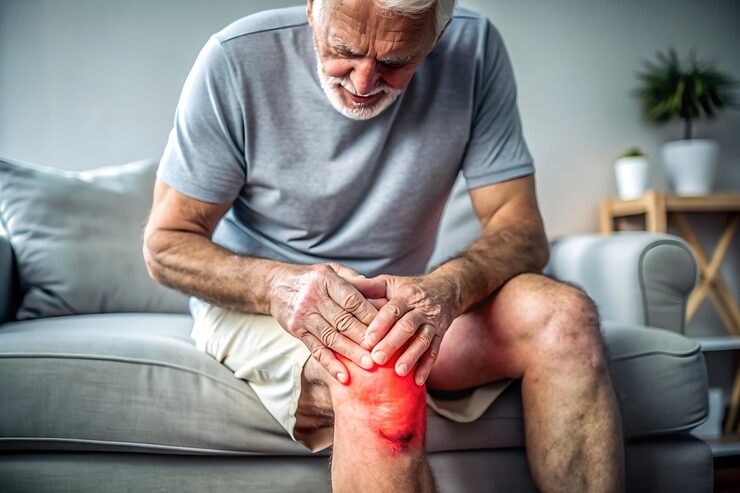
Did you know that approximately 68% of people above the age of 35 experience some form of joint pain? What makes it worse is how it slowly interferes with everyday activities such as climbing stairs, walking, or even simple stretching.
Joint pain may sometimes be temporary and resolve on its own. However, when it becomes persistent or severe, it can significantly impact quality of life. Reduced mobility often leads to a sedentary lifestyle, increasing the risk of conditions such as cardiovascular disease.
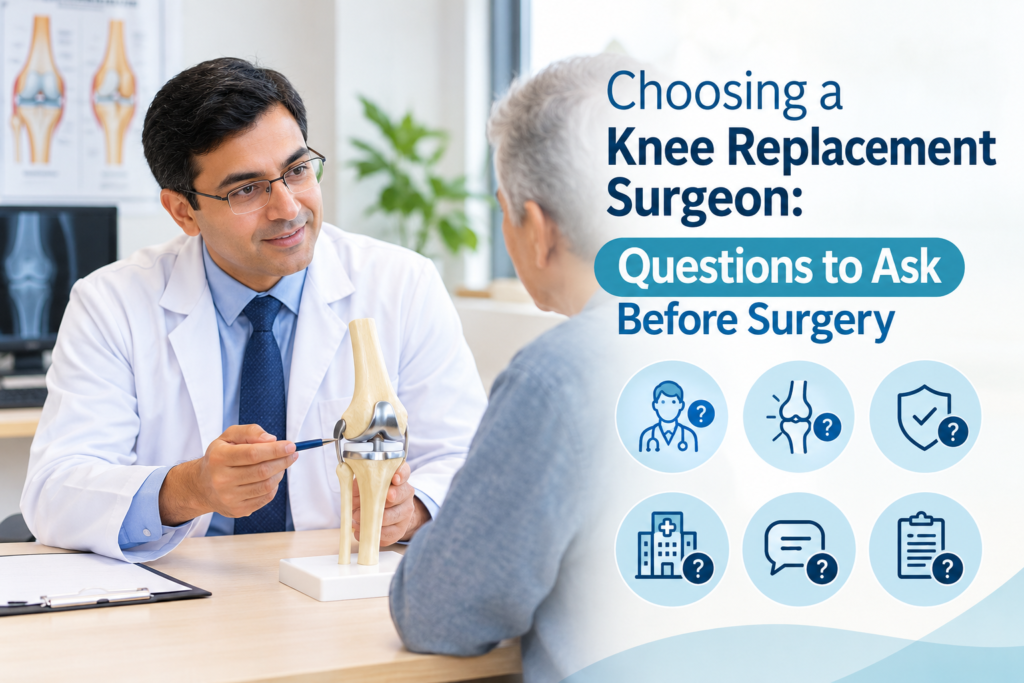
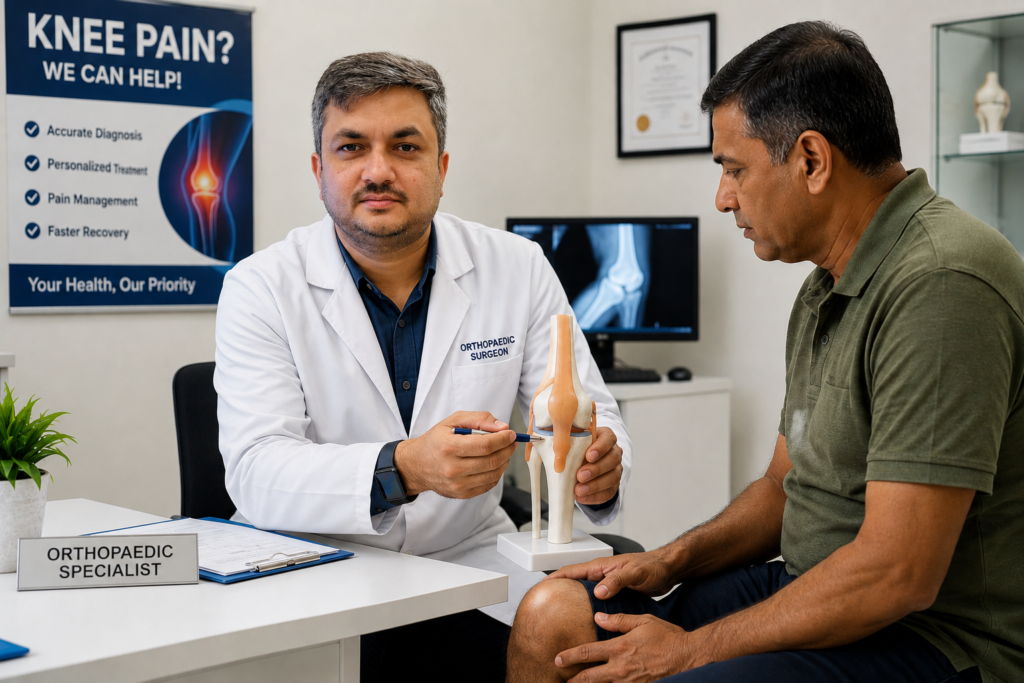
This is why early intervention matters. Consulting an orthopedic surgeon for joint pain treatment can help identify the root cause and prevent further complications. From accurate diagnosis to a personalised treatment plan, an experienced orthopaedic surgeon like Dr. Kishore Kumar Panda can help restore joint function and bring back pain-free movement.
In this blog, we will discuss how an orthopaedic surgeon helps treat joint pain and restore mobility.
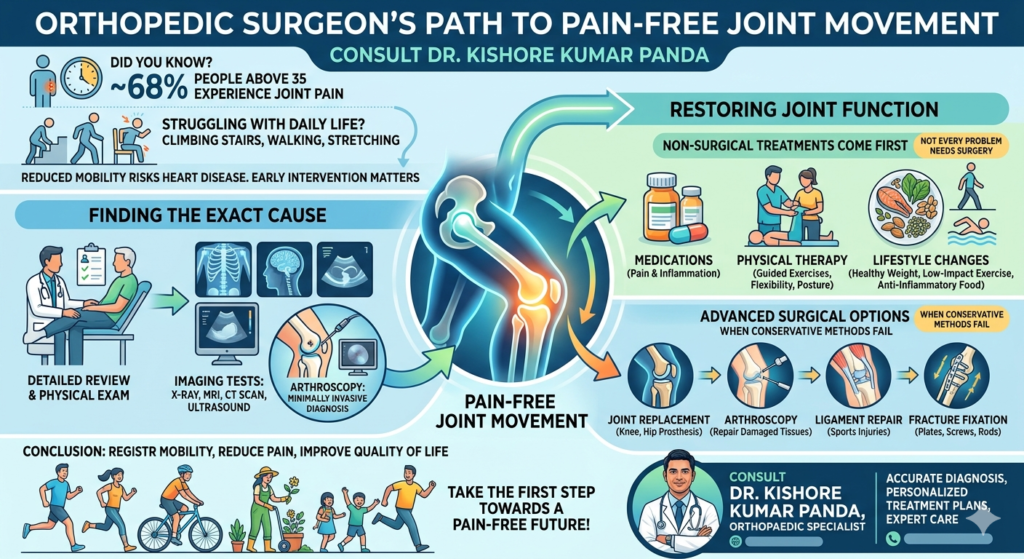
Finding the Exact Cause of Your Joint Pain
Identifying the cause of joint pain is not always straightforward, as it can result from various conditions such as ligament injuries, arthritis, fractures, or cartilage damage.
The process usually begins with:
- A detailed review of your medical history
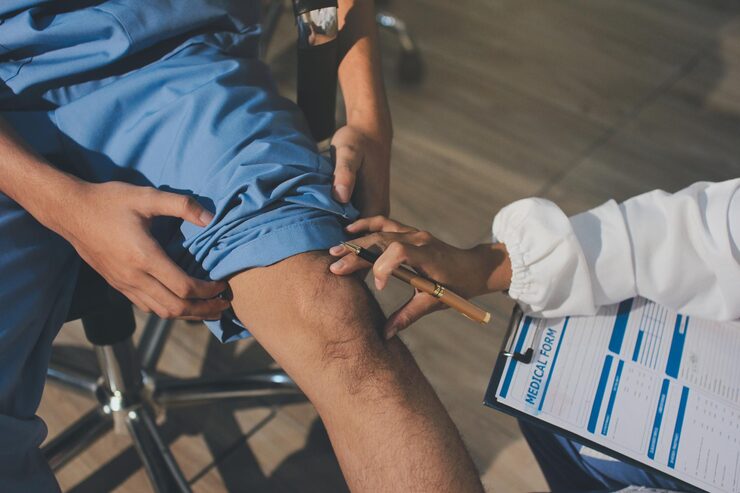
- Physical examination to assess tenderness, swelling, and pain location
To get a clearer picture, doctors may recommend imaging tests such as:
- X-rays
- MRI scans
- CT scans
- Ultrasound
In complex cases where these tests are not sufficient, orthopaedic surgeons may use arthroscopy, a minimally invasive procedure that involves inserting a tiny camera into the joint to identify the issue accurately.
How an Orthopedic Surgeon Restores Pain-Free Joint Movement
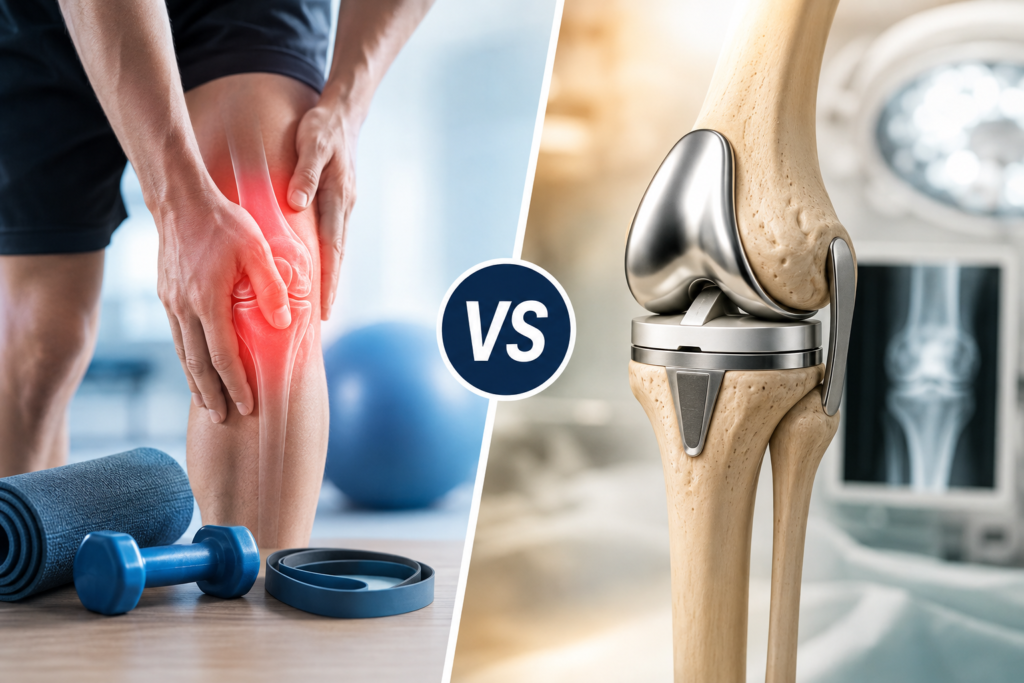
Orthopaedic surgeons use a combination of non-surgical and surgical approaches depending on the severity of the condition.
Non-Surgical Treatments Come First
Yes, you heard right, not every joint problem requires surgery. In many cases, conservative treatments can effectively manage pain and restore function.
Some common non-surgical treatments include:
Medications: Prescribed to reduce pain, inflammation, and swelling
Physical Therapy: Includes guided exercises, flexibility training, and posture correction to improve joint mobility
Lifestyle Changes: Here are some lifestyle changes one can do to reduce joint pain:
- Maintaining a healthy weight
- Engaging in low-impact exercises like walking or swimming
- Consuming anti-inflammatory foods such as nuts, olive oil, leafy greens, and seeds
Surgical Treatment Options
When non-surgical methods do not provide relief, surgery may be recommended. Modern orthopaedic procedures are highly advanced and focus on faster recovery and better outcomes.
Some common surgical options include:
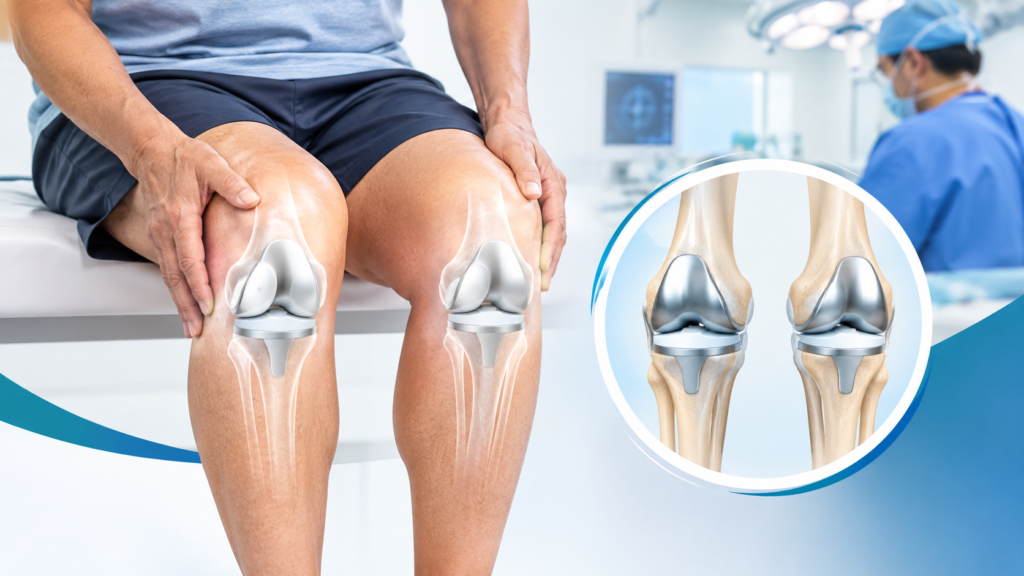
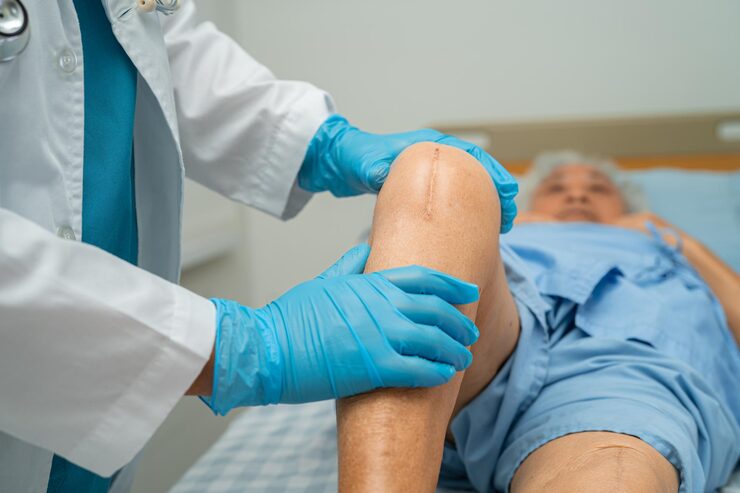
Joint Replacement Surgery: Damaged parts of the joint are replaced with artificial components to restore function and eliminate pain (commonly done for knees and hips)
Arthroscopy: A minimally invasive procedure used to repair damaged tissues inside the joint
Ligament Repair or Reconstruction: Often required in cases of sports injuries or severe ligament tears
Fracture Fixation: Using plates, screws, or rods to stabilise broken bones
Conclusion
Are you dealing with joint pain that makes even simple tasks difficult? Ignoring it can make things worse over time.
Seeking timely care from a qualified orthopedic surgeon for joint pain treatment can help you regain mobility, reduce pain, and improve your overall quality of life.
The right diagnosis and treatment plan can truly bring you back to pain-free movement.
Don’t let joint pain control your life. Consult an experienced orthopaedic specialist like Dr. Kishore Kumar Panda and take the first step towards a healthier, pain-free future.