
No treatment provides a guaranteed cure; it depends on the patient’s lifestyle. You underwent knee or hip replacement, but unfortunately it fails to provide relief; what will you do? Would you prepare yourself for revision surgery or live a painful life? Many factors play crucial roles during treatment, like surgeon experience, implant quality, and the patient’s overall health.
And that’s why one should consider these factors when making decisions for revision knee replacement Bhubaneswar. A proper decision regarding revision surgery can be made if you have all the important information, and Dr. Kishore Kumar Panda is here to help you understand what things to consider in this matter.
What is Revision Knee or Hip Replacement?
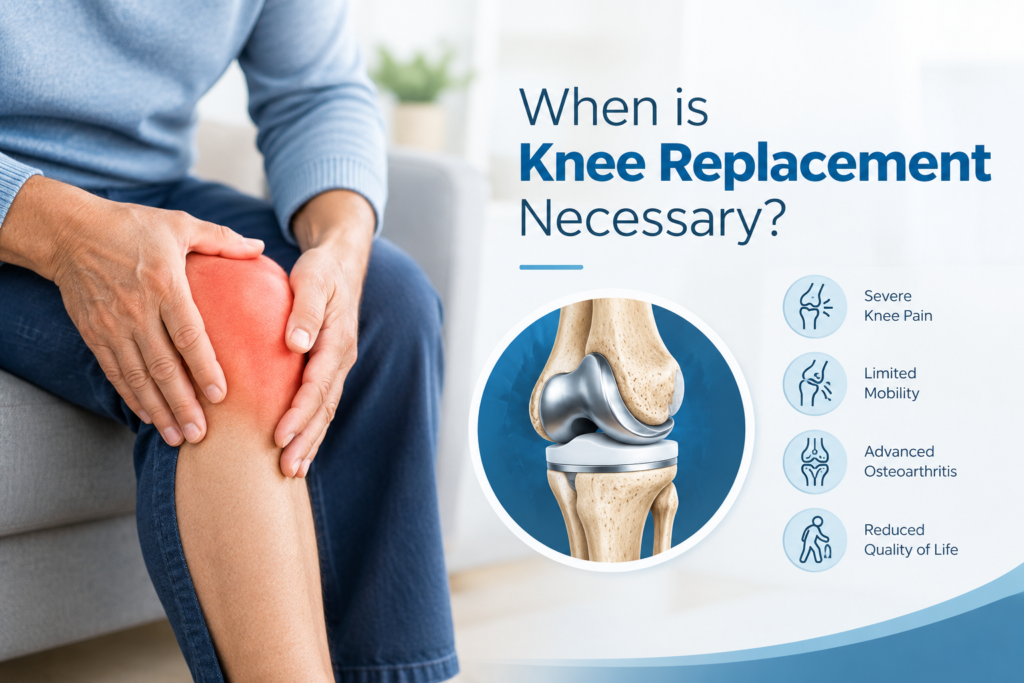
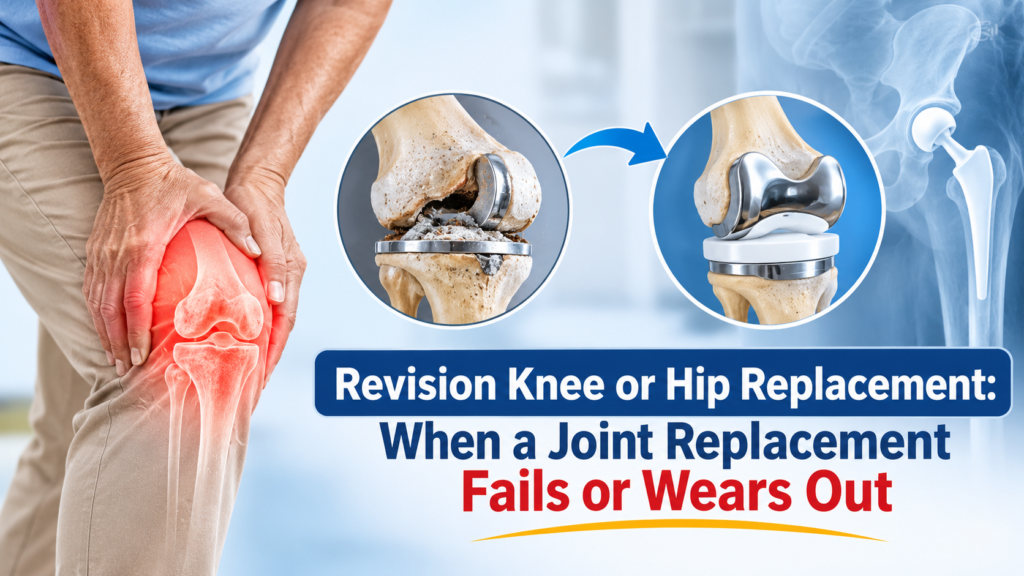
When a patient ‘s knee replacement or hip replacement surgery went wrong or failed to provide relief to patients, they need to undergo another surgery, which is also known as revision knee or hip replacement. Revision surgery is also performed to replace old implants with new ones.
What are the most common reasons for revision knee or hip replacement?
Several reasons are responsible for revision knee or hip replacement surgery, such as:
Implant loosening
Sometimes, because of implant loosening, patients need to undergo revision knee or hip joint surgery. This may happen when the interaction between the bone and implant starts to loosen. Due to this, the implant shifts further, causing chronic joint pain.
Infection
It could seem rare, but it could happen in the initial days after surgery or sometimes happen over the years. Symptoms include redness, joint pain, inflammation, and swelling around the joint. Along with medication, people need revision surgery to eradicate the infection. In such conditions, doctors usually remove the implant and perform second hip or knee joint surgery.
Surgeon inexperience
Knee or hip replacement treatment requires precise expertise, and because of that, the orthopaedic surgeon you choose must have experience in performing joint replacement surgery.
Because there is a huge risk of undergoing surgery if the first one is not performing well. And that’s why choosing a surgeon with less experience can sometimes lead to chronic complications such as implant misalignment, instability, and a higher risk of infection.
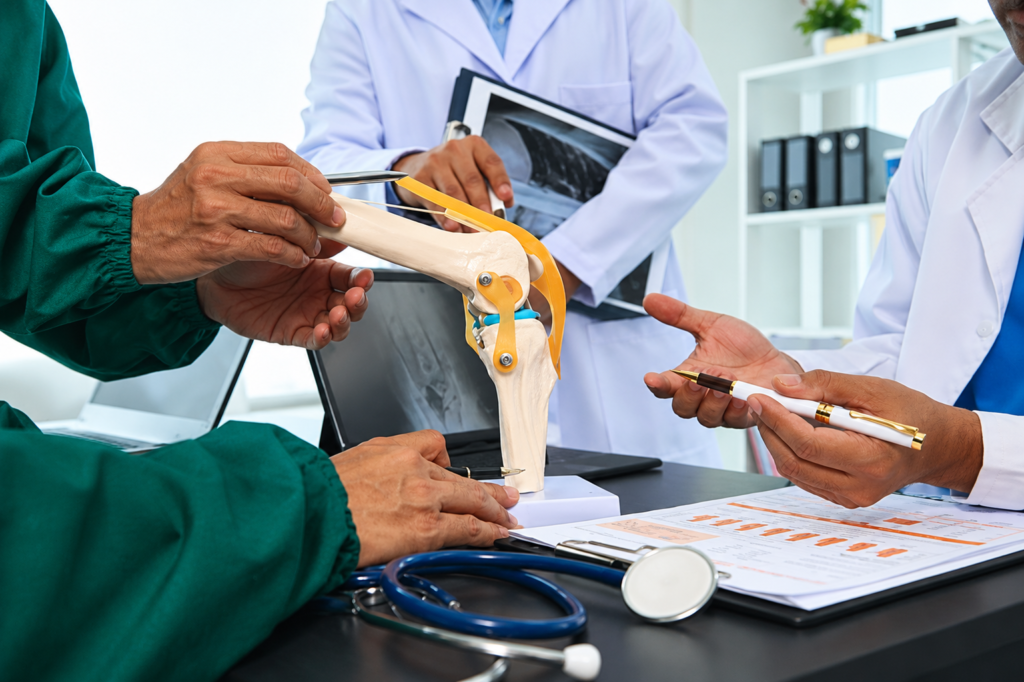
An experienced orthopedic surgeon like Dr. Kishore Kumar Panda first diagnosed the person’s condition, and based on that, he suggested whether the person genuinely needed revisional surgery or not.
Because of wear and tear
The joint implant is composed of alloy metal and durable plastic, which is made up of polyethylene. After years of joint replacement surgery, that plastic material wears off, causing inflammation and instability, and is responsible for bone dissolution (osteolysis). This consequently leads to loosening of the implant. That’s when a person needs a second surgery to install a new joint implant to keep their joint functioning again.
Periprosthetic fracture
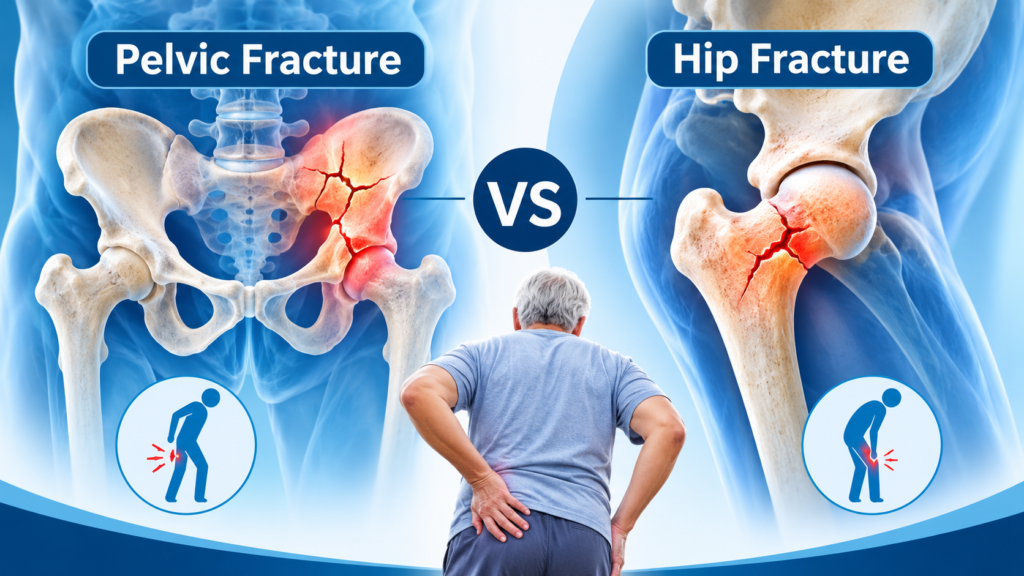
When a fracture occurs around a joint implant, this morbid condition is known as a periprosthetic fracture. It can happen for various reasons, such as a serious injury, a fall, or an accident. To repair the damage, surgeons may need to perform revision surgery.
The presence of a periprosthetic fracture adjacent to a joint replacement makes treatment difficult because even the bone surrounding the joint and the joint implant can become compromised.
In order to treat these types of fractures, orthopaedic surgeons use plates to fix the breakage, but in cases where the existing implant inflicted for any reason, such as loosening, revision surgery may be necessary.
Signs That Tell You Whether You Need Revision Surgery or Not
Not every patient needs revision knee surgery Bhubaneswar. However, if you are wondering, “What are the signs that I might need revision surgery?” But the answer lies in your question, as your body itself shows you some signs that we are discussing in this section.
- Persistent pain that remains unrelieved despite the use of over-the-counter pain medications.
- You may notice redness or swelling surrounding the joint implant; this may indicate a serious complication.
- Difficulty maintaining balance while walking or standing.
- You may hear a sound like popping or clicking from the implant.
- Performing any activity that involves the use of your joints seems arduous to you.
- You may feel stiffness when bending or straightening your joints.
Ignoring these telltale signs may lead to serious complications, so always be careful after undergoing joint replacement surgery, and pay attention to any changes in your condition, as they may tell you about an underlying problem.
Conclusion
Whether you have undergone knee or hip replacement, it’s important to take care of your recovery seriously and follow your surgeon’s instructions diligently. Because once your recovery goes wrong, there is a high chance that you may need to undergo another surgery to correct the fault. That’s why you should always consult an experienced orthopaedic surgeon, such as Dr. Kishore Kumar Panda, who has enormous experience in revision knee replacement Bhubaneswar.
The right orthopaedic surgeon first identifies the root cause of the previous surgery’s failure so that they can address the underlying problem. It’s essential to understand that the goal of revision joint surgery is to re-functioning the knee or hip when the previous surgery has failed.