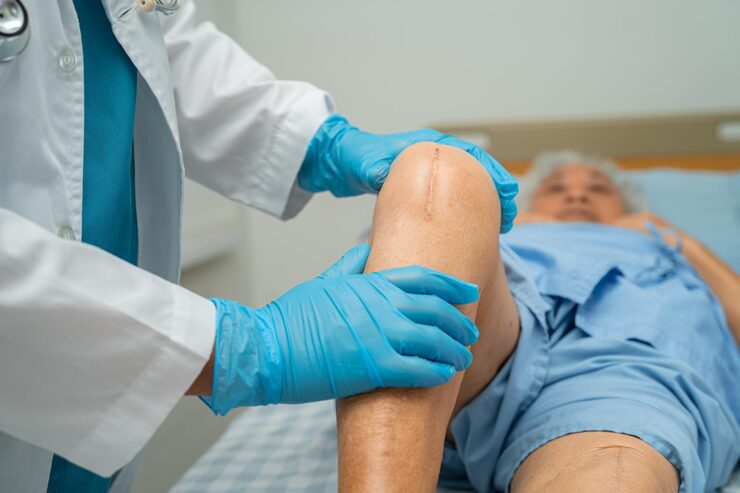


An NCBI study involving 448 patients found that 80% of patients felt a satisfactory pain reduction after hip replacement surgery. It is important to note that there are certain things you shouldn’t be doing after undergoing hip replacement, such as crossing the legs, twisting, driving, or even sitting for too long. This is because some of these activities can cause harm coming to your hip.
According to Dr. Kishore Kumar Panda, activities such as sitting down or wearing some types of shoes can prove quite hard during those early days following surgery. Even though you might feel well during this period, there is still the healing process that you must allow to happen.
What should you avoid after hip replacement surgery?
You might be curious about, “What should you never do after a hip replacement?” Dr. Kishore Kumar Panda explains the activities or movements that you should avoid after hip replacement surgery.
#1 Do not bend your hip excessively
The first thing that you need to avoid is excessive bending of your hip joint, particularly in the early stages of the healing process after your surgery. You will be asked by your doctor not to bend your hip beyond 90 degrees, meaning that you have to keep your knee joint away from your chest and avoid sitting.
These limitations are not the same for all patients, as it greatly depends on the particular situation of each patient. So, pay attention to the instructions of your surgical team. Always listen to the instructions of the physiotherapist regarding sitting positions and movements.
#2 Do not cross your legs
Crossing your legs at the knees or ankles may be restricted during the initial recovery period, depending on the type of surgery you underwent. Some positions for your legs may be harmful in terms of hip dislocation, especially when coupled with other movements, which place the joint into unprotected positions.
#3 Avoid low chairs and sofa sitting
Low chairs, sofa seats, and low toilets may cause trouble in sitting and rising from such positions after the operation. Sitting on such seats is harmful due to the excessive angle of bending of the hip joint, which causes additional pain and may endanger your joint.
#4 Do not twist your body abruptly
The abrupt actions can result in excessive strain in your artificial hip joint particularly because of the recovery stage of healing muscles and tissues surrounding your hip joint. For instance, sudden movements in an attempt to do anything and also turning your body in one place while standing or while sitting.
In order to prevent this from happening, you should move your whole body in small steps. Moreover, you should not turn your body when changing directions while walking. Furthermore, you should refrain from twisting your body while lifting any object.
#5 Do not lift heavy objects and engage in any strenuous exercise
You have a new hip joint which requires time to heal; hence, it is advised that you do not lift any heavy objects or engage in strenuous exercise until your physician allows you to.
Engaging in activities such as lifting, jumping, heavy weightlifting, and contact sports may subject your joint to more pressure than necessary when recovering from surgery.
#6 Never disregard your walking device
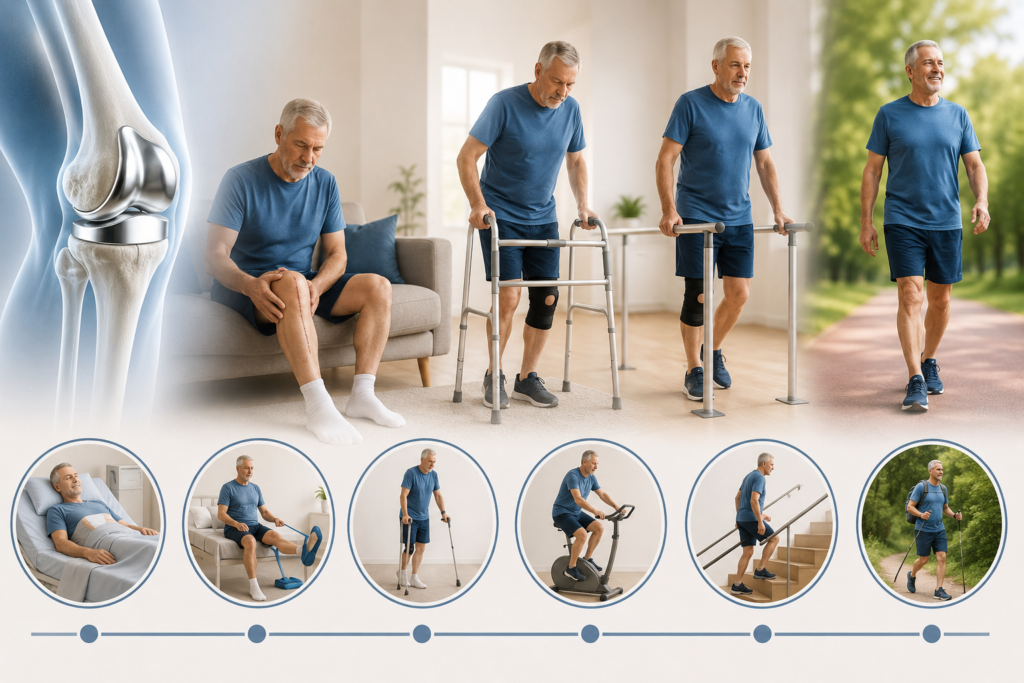
People often have questions like “When can I walk after hip replacement?” Many patients may get the urge to abandon the use of their walker or crutches right away once they can walk a few meters by themselves. But being able to walk without pain does not mean that your balance, strength, and gait are already back to normal. According to Dr. Kishore Kumar Panda, never neglect to follow your physiotherapist’s guidance on when you can start switching from your crutches to a walking stick to walking alone, and do not go out if your balance is still not up to par, especially on slippery floors and when running down the stairs.
#7 Do not drive too early
To drive post-hip replacement, the body needs sufficient muscle strength, good coordination, and the ability to act fast in case of emergencies. Driving too early will increase risks for both you and other road users if you are still in pain, have little range of motion, or are using medications that make you feel sleepy. It is necessary to wait until your doctor says it is okay to drive.
#8 Consult a doctor in case of any complications you see
Discomfort, pain, and swelling are some common symptoms after a hip replacement surgery. But there are certain symptoms that will require you to see a doctor right away if they are present in your case. These include an increasing level of pain, increased redness around the surgical wound area, unusual drainage from the wound site, or fever.
#9 Avoid rushing back into your regular routine
Doing regular work, completing household chores, and even exercising at this point of time will actually prevent your body from recovering properly. Even something like household cleaning, carrying grocery bags, and climbing lots of stairs or standing for a long time will hurt because of a lack of proper recovery.
Conclusion
Adhering to the safety rules for your newly installed hip joint also forms an essential aspect of protecting yourself during your recovery period. It entails hip replacement precautions such as minimizing bending your hip joint excessively, avoiding unsafe positions while placing your legs down or lifting any item, avoiding suddenly changing position, and avoiding engaging in any activity that increases the chances of falling down.
According to Dr. Kishore Kumar Panda, it’s important that patients do not adhere to the common precaution rules blindly, because there is a need to be guided by your surgeon and physiotherapist depending on how your operation and recovery have progressed. In case of any complication, consult your doctor.