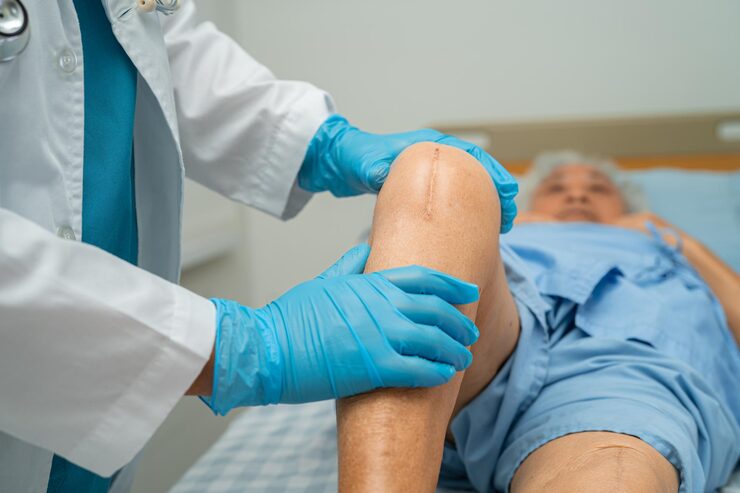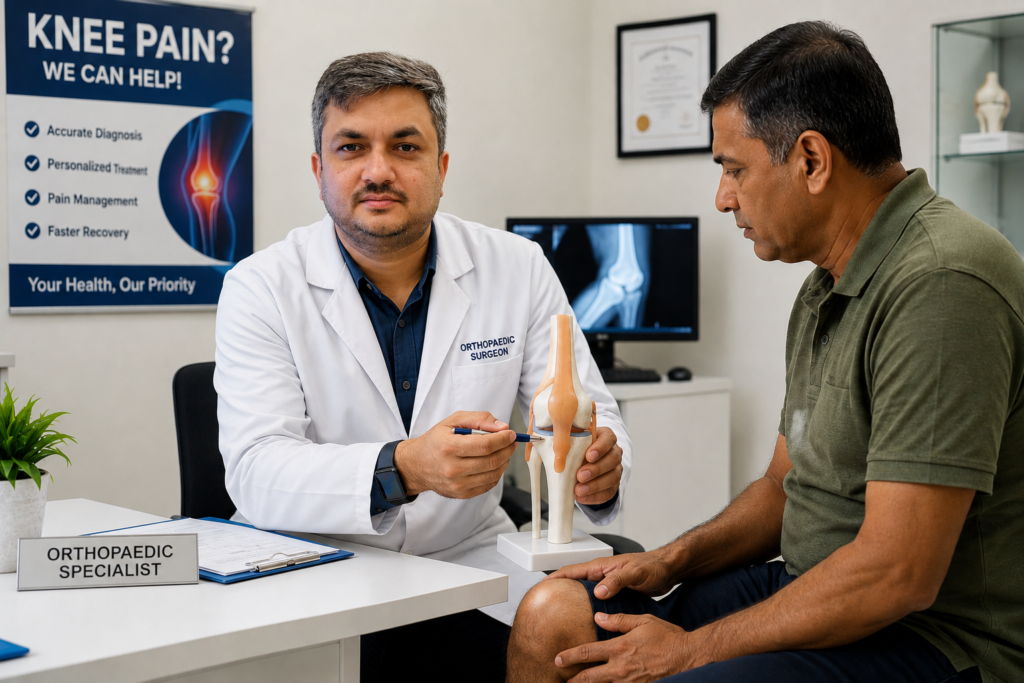


Broken bones can make any activity or movement hard to perform. It’s a condition that requires urgent medical attention. At first, doctors perform X-rays or other medical tests to identify the exact extent of the damage. Based on that, doctors recommend the right fracture treatment to ensure that your bones heal properly.
Various fractured-bone treatments are available, such as a cast, a splint, or surgery, but which one fits your condition? That’s important to know. Best orthopaedic surgeons, such as Dr. Kishore Kumar Panda, have expertise in treating bone-related problems. Whether you have bone weakness or a bone fracture, they use the right treatment based on the patient’s condition and ascertain that the patient gets relief as fast as possible.
What is a Splint, Cast, or Surgery?
During fractured bone treatment, three types of approaches are used, such as splints, casts, and surgery. Let’s understand what exactly they are:
Splint
A splint is an assistive flexible device used to stabilise bones so that they remain in their original position. It is usually used for patients who have a fracture with swelling.
Cast
A cast is a hard, tough covering made of plaster, usually applied to keep bones in the correct position. In comparison with a splint, a cast for broken bone covers the entire area surrounding the injured part.
Surgery
In cases of severe bone injuries where splints and casts are not applicable, orthopaedic surgeons need to perform urgent surgeries to realign the bones to their correct shape and positions.
Which is better, a splint or cast?
According to research, between a splint and a cast, a splint provides less support but allows mobilization, while a cast provides good support during a fracture. However, because of its inflexibility, a cast leads to immobilization, which can sometimes cause swelling.
Both have their own roles at different stages, but the choice also depends on the patient’s fracture condition. For example, if a patient’s fracture is minor, a splint can work well, but if the fracture injury appears complicated, doctors may use a cast bone fracture treatment to provide rigid structural support to the fractured area.
Overall, splints seem useful for stable fractures or injuries around the joints, while orthopaedic surgeons use casts when broken bones need solid support, as casts provide support for a longer time.
Which fractures require surgery?
In most cases, surgeons use splints, casts, or other non-surgical modalities to heal broken bones, but when these options fail to provide relief, doctors may need to perform surgery to realign the broken bones to their original position.
Here are some fractures that usually require surgeries:
- when a bone breaks into 2 to 3 pieces, these fractures are also known as comminuted fractures.
- when, due to an accident or fall, a bone breaks and scrouges through the skin, these type of fractures require urgent surgical operation because, if not treated immediately, they can lead to infection.
- when, despite applying a sprint or cast treatment approach, the broken bone becomes displaced from its aligned position.
- when broken bones are unable to align to their original location even after repeated attempts.
- when a fracture spreads to a joints or starts affecting the nearby joint surface, it’s also known as an intra-articular fracture, in such cases, orthopaedic surgeons may need to perform immediate surgery to prevent further damage.
Not a single factor decides the treatment choice, at first, the doctor examines the patient’s fracture, its location, and how stable the fracture is. If the fracture is unstable or in fragile state, there is a higher chance of it becoming displaced or affecting adjacent parts. That’s why it’s very critical to consider multiple factors before making the right treatment decision.
Conclusion
In a nutshell, the choice of fracture treatment mainly depends on a few parameters such as the fracture location, bone misalignment, and the severity of the bone fracture. Only the best orthopaedic surgeon, such as Dr. Kishore Kumar Panda, has the expertise to treat a patient’s broken bone with the right choice of treatment.
So, it does not matter whether it’s a sprint, cast, or surgery; the important thing is that your fractured bone heals properly. Are you looking for an orthopaedic surgeon who can use the right treatment approach for your bone fracture or knee pain? You can contact Dr. Kishore Kumar Panda for expert guidance.