Ever rolled your ankle during a Saturday match and said to yourself, “Well, it’ll be good in a couple of days”? And then two weeks later you’re still hobbling around, pondering if the smartest move you’ve made all year was pretending nothing was wrong? Yes, we’ve all done it, and when the nagging ache finally makes you schedule that appointment, here’s something really crazy that most of us do – choose an orthopedic doctor as if we were just choosing a plumber.
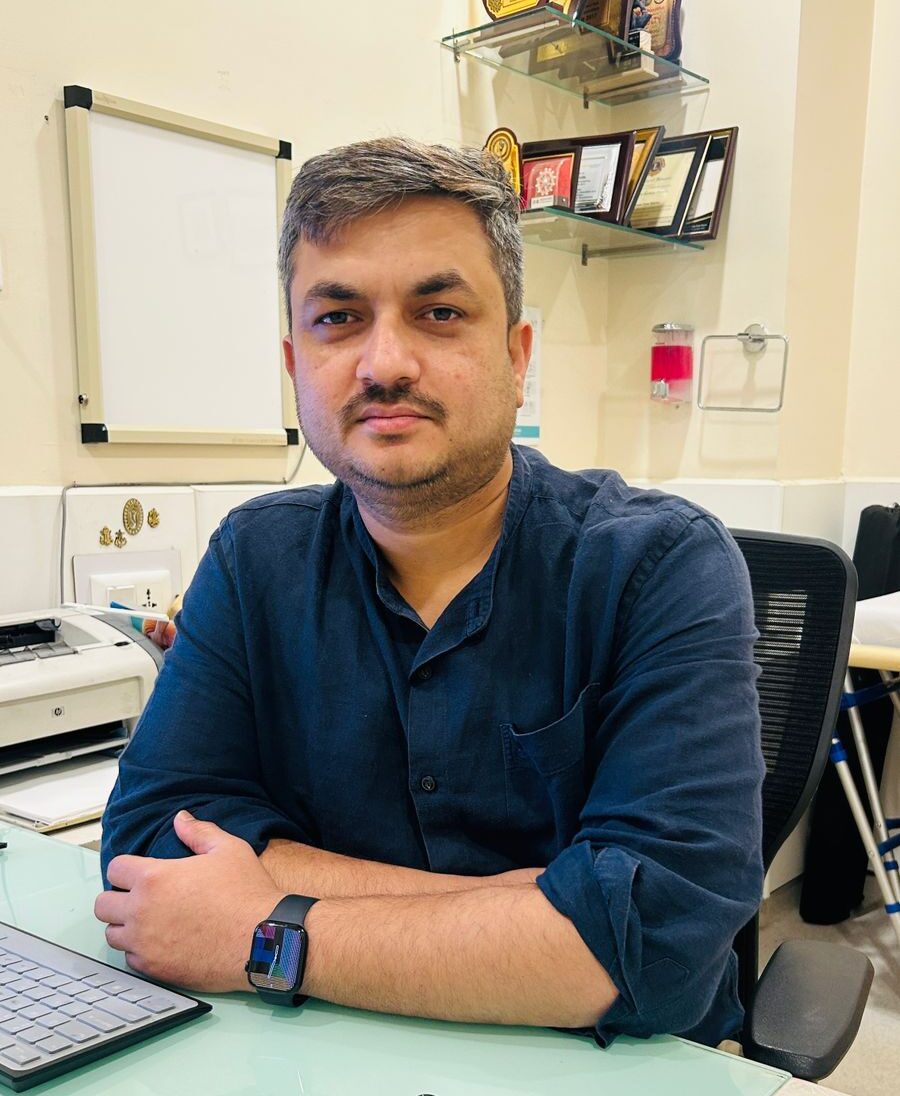
But this is the thing: a sports injury isn’t a leaky tap; it’s not something you can simply fix and leave well alone. A bad doctor can turn a six-week injury into something that stays with you for many years, and even alter the way you move. This highlights the need for a dedicated specialist like Dr. Kishore Kumar Panda, the best orthopedic doctor for sports injury, who trained exclusively in sports injuries and orthopedics, can make such a difference: they focus on more than just “patching things up” and getting you back up to the top of your game.
7 Tips for Choosing the Best Orthopedic Doctor for Sports Injury Treatment
Here are the key things to check before picking a sports injury specialist:
#1 Fellowship-trained in sports medicine, beyond general orthopedic practice
Huge difference between a doctor who is pretty busy treating arthritis in your grandma and the doctor who is spending their week repairing torn ligaments, treating bone fractures, and treating the shoulders of your youth. They should be able to tell you, “How many of your patients are athletes?” if they really do focus on sports medicine. They will know; they won’t shrug.
#2 A surgeon who focuses on every non-surgical option first
Good sports injury care begins conservatively, such as physical therapy, bracing, activity change, perhaps an injection, and only after trying those things before talking about surgery. If an orthopedic surgeon for athletes is telling you surgery is the only option when you first come in, run out for a second opinion, because surgery shouldn’t be your first option.
#3 A clear “return to play” standard
This one is forever on the chopping block. Always question the doctor about how he/she makes a call on when you are truly ready to return to your sport. Only some wait until the pain subsides. Many have specific criteria for clearing you, such as strength testing, movement screening, and range of motion testing, before providing clearance. You want the tester, not the guesser. Returning too early is exactly how a minor injury creates a re-injury.
#4 A doctor who collaborates with others
One person does not recover often. According to Dr. Kishore Kumar Panda, the best success stories are the result of doctors who partner with physical therapists and trainers to develop an entire recovery plan rather than just find a diagnosis and call it a day.
#5 Reviews that say something real
Forget the star rating, and focus on what people said about the doctor. Was the doctor thorough? Did they listen rather than rushing through an appointment? Those little things contribute more to your understanding than any overall rating ever could.
#6 Pay attention to how you feel after your visit
Did they give you an understandable report of your scan or drown you in unfamiliar medical language and then rush you out the door? You’ll probably need to see that person again multiple times over many weeks or months, so comfort and effective communication matter just as much as expertise.
#7 Diagnostic equipment access and facility coverage
A hurried diagnosis based solely on a brief physical exam can overlook what is really happening. Your appropriate physician should be able to provide you with appropriate imaging such as X-ray, MRI, or ultrasound on site or through an efficient, reliable referral system that allows for an accurate diagnosis in a matter of weeks, instead of waiting several months just to get a glimpse of what’s going on.
What are some important questions to ask an orthopedic doctor for sports injury treatment?
Hold off on committing to a treatment plan until you’ve stopped to ask yourself these honest questions:
- How many athletes do you typically treat?
- Is surgery required, or is physical therapy and additional treatment an option?
- What is truly aching, and what does this scan show?
- How long will my recovery realistically take?
- What will let us know when I am ready to get back to my sport?
- What will happen if I return to work too early?
- What does your physical therapist or trainer do? Will I be working with him/her for my recovery?
- What home-care protocols or self-management strategies can I implement to improve recovery?
You can avoid these months of confusion and frustration. A good orthopedic doctor will patiently help answer any of these simple questions, so you understand your recovery instead of just following the doctor blindly.
Wrapping Up
Selecting the correct orthopedic doctor isn’t about driving to a fancy clinic or rushing to get the earliest appointment; it’s about finding someone who is treating your recovery with the importance you believe it deserves, not simply another appointment on a long list of patients. The orthopedic doctor for sports injury such as Dr. Kishore Kumar Panda, usually has that perspective: precise diagnosis, conservative first, and a plan to help you return to the playing field safely.
So the next time your knee, ankle, or shoulder just refuses to listen during a game and throws a mid-game hissy fit, don’t just Google “orthopedic doctor near me” and tap on the first link that pops up. Ask the right questions, and make sure you’re getting the real sports medicine deal. Because the point isn’t just to heal, it’s to heal right.