
You may be whispering this, “Is knee replacement surgery safe?” to yourself many times, and every time, you get confusing answers that exaggerate your fear, don’t you?
However, knee replacement surgery is safe, as patients start walking and enjoy their lives pain-free. According to research, people who underwent knee replacement have implants that work well even after a time span of 10 years. Unbearable knee pain, if not treated on time, can become worse, cause swelling, and also increase the chances of internal infection.
At this stage, knee replacement may be the only way, but the thing you need to understand is how well your knee replacement surgery goes because if you choose a doctor with less experience, there is a high chance that you will face serious complications.
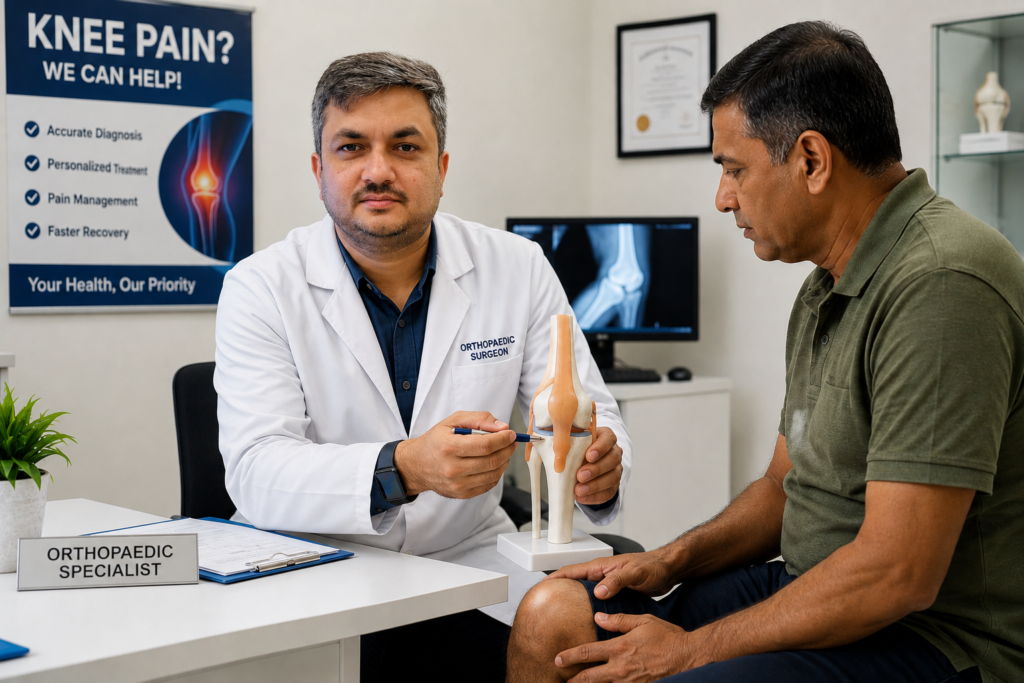
And that’s why it’s very important to consult the best orthopaedic surgeon, like Dr. Kishore Kumar Panda, as he has performed knee replacement surgeries for more than 15 years and specialises in the procedure.
Risks of Knee Replacement Surgery
Despite being a proven safe and secure surgical treatment for knee pain causes, knee replacement risks sometimes bring numerous complications, such as:
- developing an infection around the surgical area
- blood coagulating near the surgery site
- sometimes patients feel stiffness in their knee joints after surgery
- in a few cases, patients experience unbearable pain even after surgery
- some patients notice implant loosening or wearing out, which can consequently lead to revision surgery
If you have noticed any complications after your knee replacement surgery, you should consult your doctor immediately.
Is there any life risk in knee replacement surgery?
Knee replacement surgery carries some risks, but they are generally not life-threatening. Patients face some potential risks such as bleeding, persistent pain, bleeding, muscle tightness, or, in some cases, implant loosening.
Success Rate
According to Arthritis Foundation research, the knee surgery success rate is around 90% to 95%. That’s quite a high number and is a good sign for someone considering knee replacement surgery.
As you can see above, knee replacement surgery comes with risks and complications, but because of its high success rate, orthopaedic surgeons often opt for this to treat patients.
Is knee replacement 100% successful?
Absolutely not; there is no 100% success rate of knee replacement surgery, but most patients observe relief from pain, swelling, and inflammation along with improved mobility and knee strength. The rest of the surgery’s success also depends on other factors, such as:
- the patient’s overall health
- the patient’s knee condition, because if a patient undergoes knee replacement surgery when the knee condition has already worsened, there is a chance that recovery may take longer or complications may arise
- the orthopaedic surgeon’s expertise
- physiotherapy sessions,
- and the implant quality
Precautions Before and After Knee Replacement Surgery
Whether you’re planning to undergo knee replacement surgery or just been discharged after the surgery, you should be aware of these precautions, as they help you recover healthily.
Precautions before knee replacement surgery
A few things you should be careful about before knee replacement surgery include:
- get a detailed checkup of your knee condition
- inform your orthopaedic specialist about all the medications you are taking
- consume healthy food, or ask your doctor for recommendations about what you should eat before the knee surgery
- maintain an appropriate weight
- if you have any other health complications, discuss them with your surgeon.
Precautions after knee replacement surgery
Once you have undergone knee replacement surgery, here are precautions you shouldn’t ignore:
- during the initial days, don’t try to walk without support or a walker
- don’t ignore your medication
- attend your physiotherapy sessions as advised by your surgeon
- if you experience any complications, consult your surgeon and don’t ignore them
- don’t stay inactive all day; try to walk or do some light activities
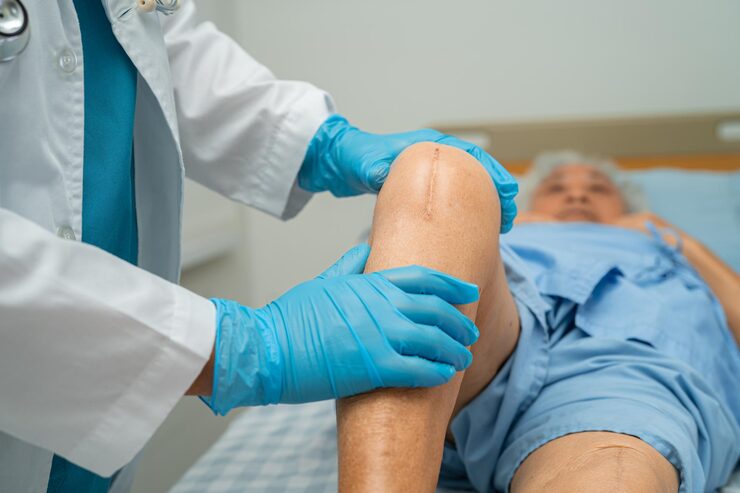
After knee surgery, patients often have doubts like, “How many days of rest is required after knee replacement?” For the first 1 to 2 days, patients are usually advised to get adequate rest. After that, the surgeon may guide them to start gentle walking to maintain movement.
Conclusion
Maybe you still have some doubts regarding “Is knee replacement surgery safe?” and the answer isn’t the same for everyone, but a well-performed knee replacement can provide pain relief and help patients return to daily activities. That’s why it is usually performed on selected patients based on certain criteria set by orthopaedic surgeons.
Apart from this, it also relies on the surgeon’s expertise because if you choose the best orthopaedic surgeon, such as Dr Kishore Kumar Panda, who has a track record of treating patients with complicated knee problems, there is a high chance of a successful outcome.
If simply walking has become a troublesome activity for you or you are experiencing high-intensity knee pain, you can consult Dr Kishore Kumar Panda for various orthopaedic problems.