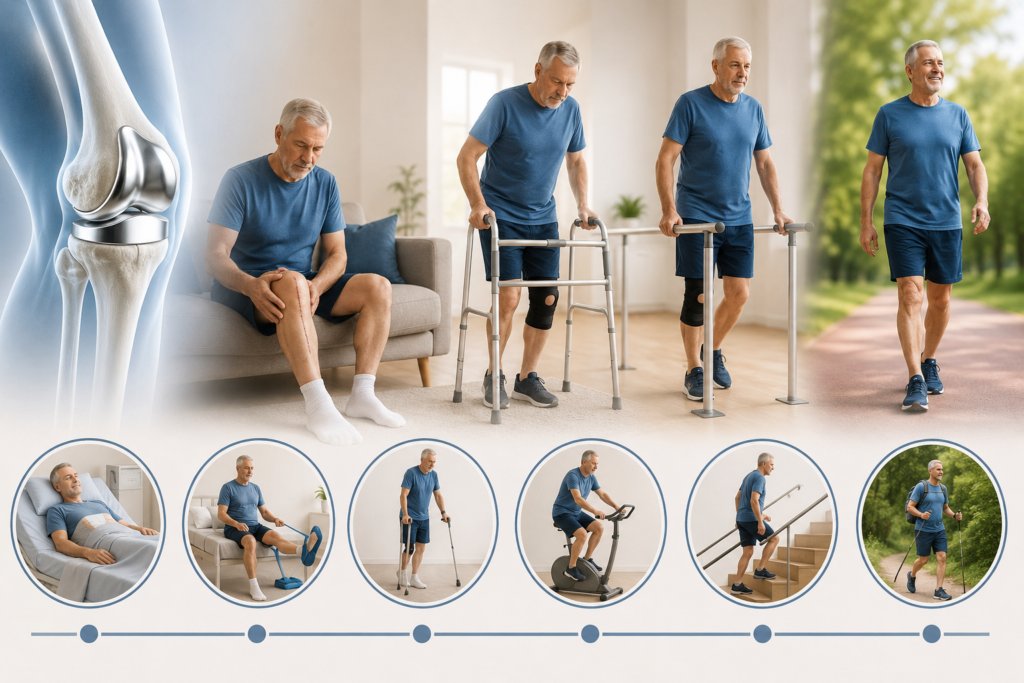

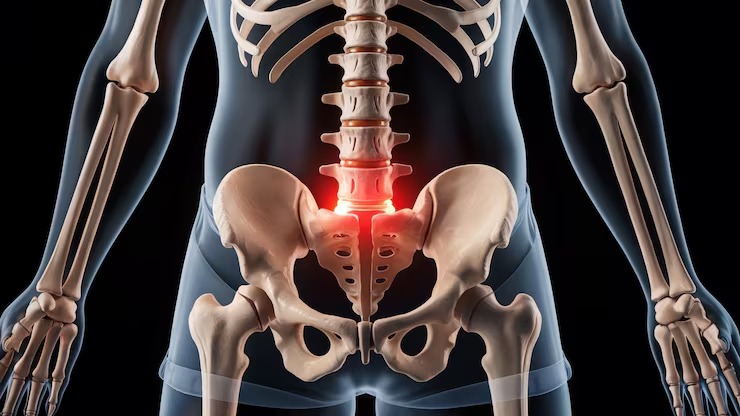
A patient walks into the clinic with a simple hope to move without pain again. Climbing stairs, sitting comfortably, or even taking a short walk has become exhausting. Hip replacement surgery often feels like the turning point.
However, outcomes are not always predictable. Some patients continue to experience discomfort, stiffness, or instability even after surgery. In many cases, the issue lies not in the procedure itself but in something far more subtle, implant positioning.
Based on Dr. Kishore Kumar Panda’s insights into how orthopaedic navigation technology improves hip replacement outcomes becomes crucial. By replacing estimation with real-time precision, this technology directly influences how well the new joint functions after surgery.
During surgery, precision is everything, especially when working on bones and joints. According to ScienceDirect, Orthopaedic navigation technology works like a smart guide that helps surgeons see the exact position of bones in real time. It creates detailed 3D images and shows the correct path for placing implants.
Instead of relying only on experience, surgeons get extra support to make accurate decisions during the procedure. This makes the surgery more controlled and reliable. As a result, implants are placed more precisely, complications are reduced, and patients often experience better recovery and improved movement after the surgery.
Let’s understand this step by step, as explained by Dr. Kishore Kumar Panda:
1. Preoperative Planning Becomes More Precise
Navigation systems allow detailed mapping of the patient’s anatomy before and during surgery. This helps in selecting the correct implant size, angle, and position tailored to the individual.
How does it improve the outcome?
A better fit leads to more natural joint movement and reduced postoperative discomfort.
2. Real-Time Accuracy During Implant Placement
During surgery, the system tracks instruments and implant position in real time. Surgeons can see exact angles and alignment on a screen while operating.
How does it improve the outcome?
- Minimises positioning errors
- Reduces risk of dislocation
- Ensures optimal joint mechanics
3. Restoring Natural Biomechanics
One of the biggest challenges in hip replacement is restoring the body’s natural alignment, including leg length and joint orientation.
Navigation technology provides precise measurements to achieve this balance.
How does it improve the outcome?
- Prevents uneven leg length
- Improves walking pattern
- Enhances overall mobility
4. Reducing Wear and Tear on the Implant
When an implant is slightly misaligned, it experiences uneven stress over time. This can lead to early deterioration.
With accurate positioning, load distribution becomes more balanced.
How does it improve the outcome?
- Increases implant longevity
- Reduces the chances of early revision surgery
5. Lower Risk of Post-Surgical Complications
Navigation-assisted surgery reduces variability, which directly lowers complications such as instability or improper joint function.
How does it improve the outcome?
- Smoother recovery
- Less pain and stiffness
- Higher patient satisfaction
What This Means for the Patient
Instead of relying purely on surgical estimation, the procedure becomes guided by data and precision. This is further responsible for successful surgery and brings a more predictable recovery journey.
Patients often experience:
- Faster rehabilitation
- Better joint function
- Greater confidence in movement
All of this clearly shows how Orthopaedic Navigation Technology Improves Hip Replacement Outcomes delivers real and measurable benefits.
Conclusion
In a nutshell, hip replacement surgery is meant to restore comfort, confidence, and mobility. The difference between an average outcome and an exceptional one often comes down to precision.
As discussed, how orthopaedic navigation technology improves hip replacement outcomes lies in better planning, real-time accuracy, and restoration of natural biomechanics. If hip pain is affecting your daily life, exploring advanced surgical options, such as navigation-assisted hip replacement, offers a more precise and reliable path to recovery.
Consult with an experienced orthopaedic specialist, Dr Kishore Kumar Panda, to understand the most suitable treatment approach and move closer to a pain-free and active lifestyle.