
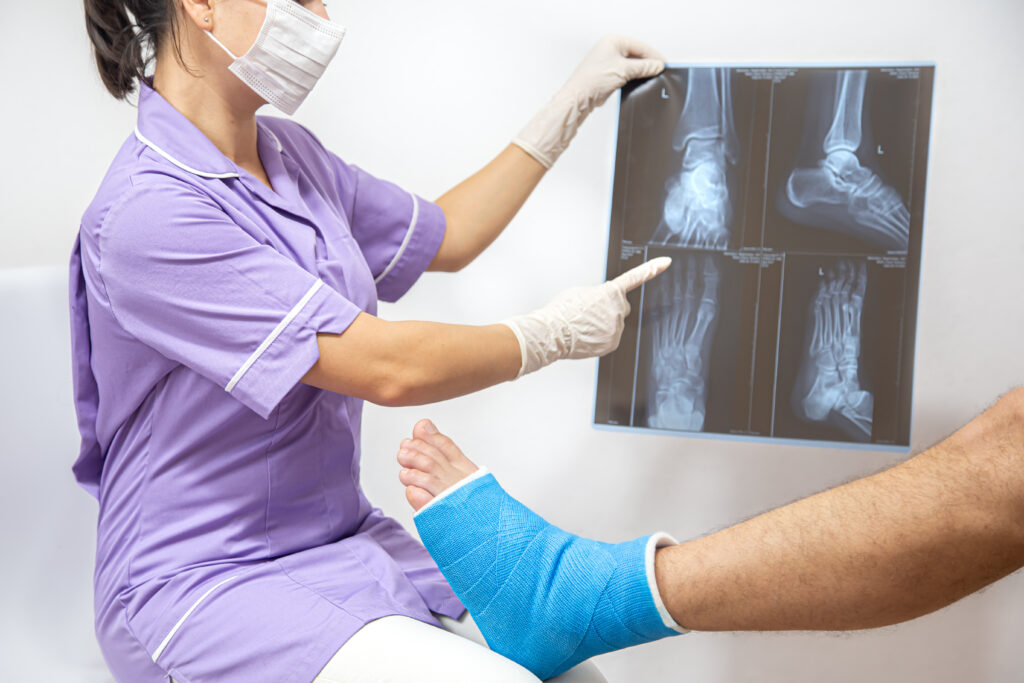
Made of calcium and minerals, bones are among the strongest parts of the body, as they provide structural support and give your body its shape. Most of the time, bones can tolerate pressure, but sometimes severe accidents or injuries can lead to bone fractures, and further cause difficulty in movements such as walking, sleeping, and lifting objects.
That is why it is important to understand the signs your bone fracture is healing properly. Many people may not realise this, but the body has its own natural healing and repair process, which takes time to work effectively. The only things a person truly needs are proper treatment under experienced healthcare professionals like Dr Kishore Kumar Panda and a nutrient-rich diet recommended for recovery.
What is the meaning of bone fracture?
Any crack or breakage in the bone can lead to a bone fracture. Various factors can be responsible for bone fractures, such as:
- sudden accident
- falls from a height or on the ground
- any sports injury
- any medical condition that weakens the bones
- heavy objects falling on the body, and affect joint movement
What Are The Signs Your Bone Fracture Is Healing Faster
Bone healing is not magic; it’s a result of a proper treatment plan under the supervision of a doctor. Here are the signs that your bone fracture is healing properly:
1. Pain is getting reduced day by day
At the beginning, you may experience a high level of pain, but after receiving proper treatment, you may notice that your pain gradually starts decreasing day by day. You may also feel less discomfort over time. One of the biggest changes you may notice is that you become less dependent on pain medication.
2. Regaining the ability to move
You may notice that the movement which was previously restricted due to the fracture is slowly returning, and allowing you to regain better control of the affected body part. This may further lead to:
- reduce stiffness
- better movement
- getting improved at daily tasks
3. Reduction in swelling
Have you noticed swelling around the fracture area? Over time, you may see that it gradually starts reducing. Apart from this, inflammation may also decrease. Overall, a person may experience:
- reduced tightness surrounding fracture area
- less puffiness
- improved blood circulation
4. Reduced tenderness around the fracture
Initially, even a light touch on the injured area or surrounding region can feel painful, right?
However, as the fracture progresses toward healing, sensitivity often starts decreasing.
Additionally, touching the injured area may become more comfortable, and applying pressure may not create the same discomfort as before.
5. Bruising starts to reduce
Along with swelling, bruising commonly appears after a bone fracture. In the early stages, the skin may appear dark blue, purple, or reddish, but over time those shades gradually begin to change.
You may notice that the darker colour slowly turns into a lighter yellowish shade as the body absorbs the trapped blood beneath the skin. This progression can indicate ongoing healing.
6. Daily tasks seem easier to do
Sometimes, healing becomes noticeable through simple everyday activities.
You may notice that:
- getting out of bed feels easier.
- sitting comfortably for longer periods becomes possible.
- even walking a short distance may require less effort.
This may seem normal, right? However, these small improvements in daily routines often indicate meaningful progress and help doctors assess a person’s fracture recovery.
Conclusion
In a nutshell, there is no perfect path for healing fractured bone, as it depends on the severity of the fractured area. With an effective treatment plan, you can make sure you are on the right recovery path. With the above signs your bone fracture is healing properly, such as reduced swelling, increasing movement, less pain, and daily activities, you can say that you are recovering.
If your bone fracture still does not heal properly and shows signs like swelling and pain, it’s a sign that you need experienced supervision. Dr Kishore Kumar Panda focuses on understanding the root cause and implementing a treatment plan structured around your condition and progress.