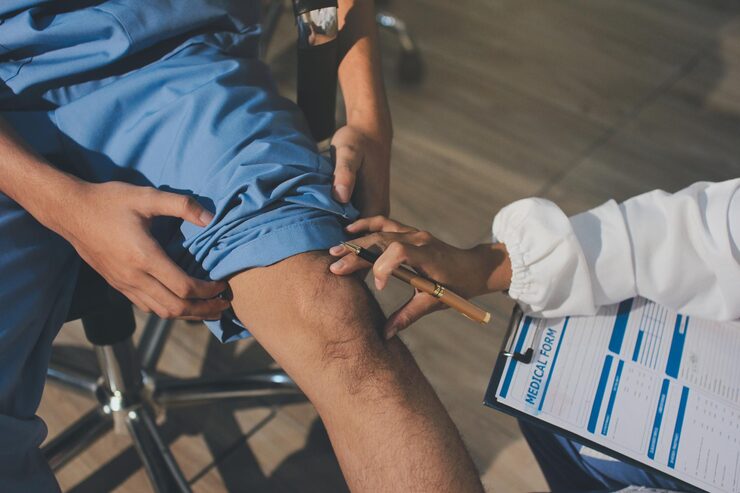

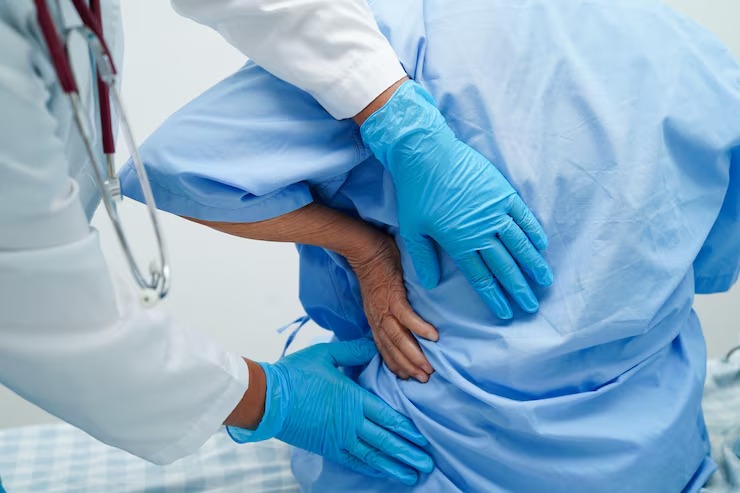
Is your hip hurting more than usual? That something, you can’t ignore. Continuous hip pain and stiffness make it difficult for your body to perform daily activities such as walking, sitting in the workplace, or even climbing.
Reasons can be anything, such as hip dysplasia, labral tears, or hip impingement. Various treatments are available for hip pain, but with a high success rate of 85% to 99%, hip preservation techniques have emerged as the most effective in recent years.
With this technique, patients get huge relief from pain and improved mobility. In case you’re experiencing pain for more than usual days, delaying treatment can make your situation worse. Consulting an orthopaedic doctor, Dr Kishore Kumar Panda, can help you with early-stage diagnosis and a customised treatment plan according to your situation.
What is the hip preservation technique?
Hip joint preservation technique represents the preservation of the affected hip joints to their functioning state. This technique involves a surgical approach to ease pain, stiffness, and regain mobility. The technique is used in some serious situations, such as
- Hip dysplasia
- Avascular Necrosis
- Femoroacetabular impingement (FAI)
- Labral tears
- Initial stage of osteoarthritis
Hip joint pain signals an early stage of major diseases such as osteoarthritis. If not treated early, patients only have hip replacement options. Hip preservation helps treat the hip area so that pain stops at an early stage, which further reduces the chance of hip replacement.
What techniques include the hip preservation technique?
Hip joint preservation includes several techniques, such as:
Non-surgical options
Orthopaedic surgeons use non-surgical options to initiate patient hip mobility and reduce symptoms. They incorporate options such as medication, regenerative therapies, physical therapy, and light exercises.
Hip arthroscopy
This minimally invasive process is used specifically for conditions like labral tears, femoroacetabular impingement (FAI), and cartilage damage. In this process, the doctor inserted a tiny camera and repaired the hip joint using it.
Periacetabular osteotomy
Orthopaedic doctors use periacetabular osteotomy for the treatment of patients with hip dysplasia. This technique is mostly used in young adults and adolescents. According to NCBI, periacetabular osteotomy has an approximately 90% satisfaction level as it helps patients to reduce and improve mobility.
Femoral osteotomy
In order to improve hip movements, doctors also perform femoral osteotomy. In this technique, the doctor makes a cut on the thigh (or femur) and realigns it. The goal is to correct structural deformities and further improve hip movement without the need for total hip replacement.
Cartilage restoration process
Sometimes deformed cartilage affects the hip joints and makes it hard for hip movement. With the help of the cartilage restoration process, doctors replace damaged cartilage and prevent hip joint health.
Core decompression
The objective of core decomposition is to treat avascular necrosis or osteonecrosis. Avascular necrosis represents a condition where blood flow to the bone is disrupted, which leads to bone tissue to die. Core decompression helps in improving blood flow, which repairs hip joint deformities and prevents the need for total hip replacement.
Is hip preservation surgery worth it?
Yes, hip preservation surgery is really worth it. No doubt, with 85% to 99% success rate, hip preservation techniques reduce the need for hip replacement surgery. It improves the strength and flexibility of the hip joint and helps it function more naturally.
For this surgery to work effectively, individuals need to consult an orthopaedic surgeon at an early stage because once hip pain worsens, then hip replacement surgery acts as the last resort.
Patients with conditions such as labral tears, femoroacetabular impingement, hip dysplasia, or avascular necrosis see incredible improvement in their hip joint after treatment with hip preservation surgery.
How long does it take to recover from hip preservation surgery?
The recovery period is from 3 to 12 months, as it also depends on the procedure and individual health conditions.
- Hip arthroscopy: 3 to 6 months
- Periacetabular osteotomy: 6 to 12 months
- Femoral osteotomy: up to 12 months for complete recovery
- Cartilage restoration procedures: 4 to 9 months
- Core decompression: 3 to 6 months
Conclusion
It’s difficult to live with hip pain, as it creates hurdles in personal daily activities. Whether it’s simple walking, light exercise, or even sitting at your desk, hip pain makes you feel like you’re limited in movement. From hip joint pain to early osteoarthritis, hip preservation techniques reduce the need for hip replacement treatment, as they provide options to treat hip conditions with a less invasive process.
Signs you should see an orthopaedic surgeon:
- When your hip joint pain is hard to tolerate
- You feel persistent pain while performing simple activities like walking, climbing stairs, sitting, and running.
- Discomfort while sitting for long
- Feel stiffness in the hip area
- Sometimes, unusual or popping sounds from the hip area
- Seeing symptoms of arthritis at an early stage.
- Past hip injury, which recently caused pain.
Delaying treatment only increases your complications, so consult the best orthopaedic doctor, Dr Kishore Kumar Panda, for proper treatment.