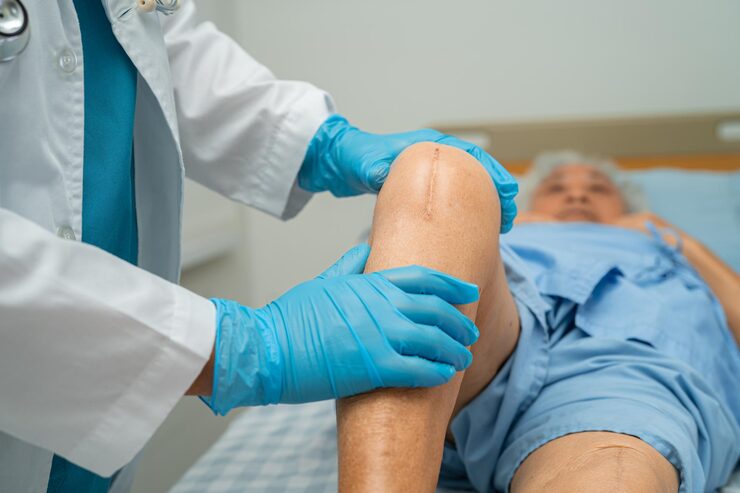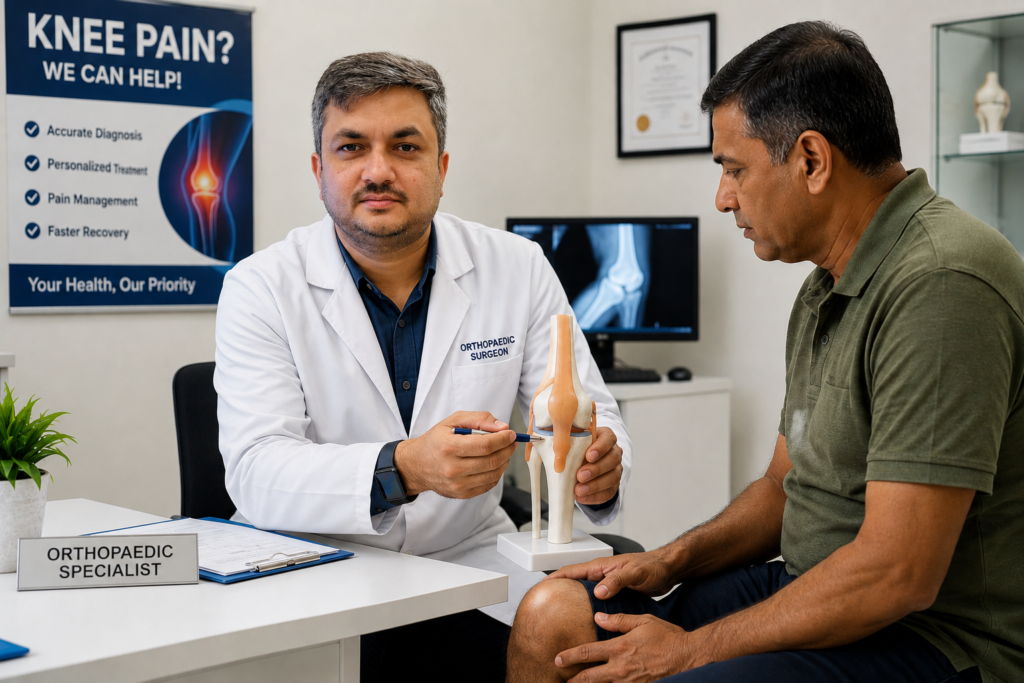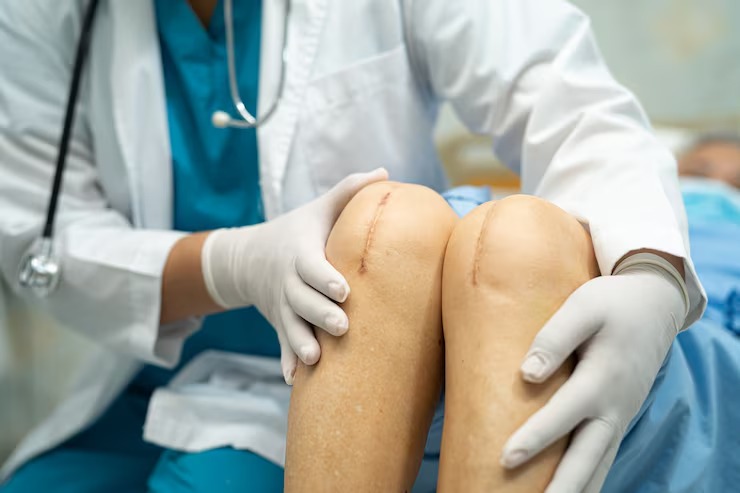

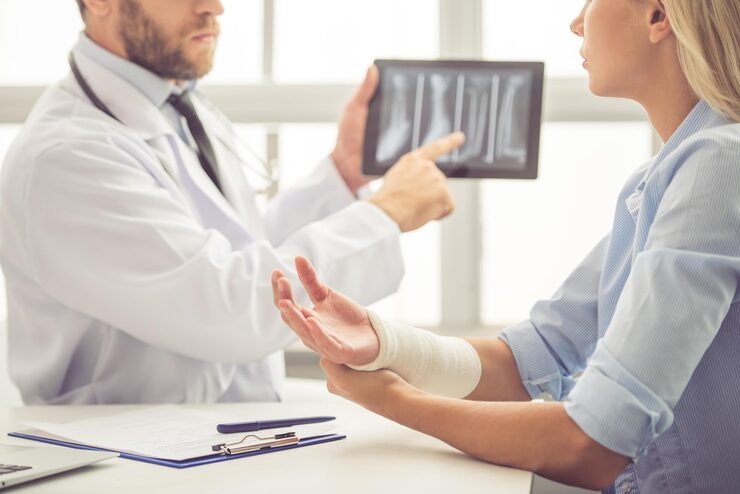
A bone fracture can happen to anyone at any age. It may occur after a fall, a road accident, a sports injury, or even because of weak bones. Mostly bone fractures heal well with the right treatment, proper care, and a little patience. Many people often ask, “How long will it take to recover?” or “When can I return to my normal activities?” They also want to know the signs that their bone fracture is healing faster and whether their recovery is on the right track.
According to Dr Kishore Kumar Panda, the recovery timeline depends on several factors, including the type of fracture, age, overall health, and adherence to the doctor’s advice. This bone fracture recovery guide explains what typically happens during the healing process and what to expect at each stage.
What Are The Stages of Bone Fracture Recovery?
The bone fracture recovery time is 6 to 12 weeks for a normal fracture, and 3 to 6 months for a complex fracture. Bone healing processes are categorised into 3 stages:
Inflammatory stage (up to 1 week)
Right after a bone breaks, your body gets to work. It forms a blood clot around the fracture and sends healing cells to the injured area. This initial healing stage usually lasts up to one week.
Repair Stage (4-6 weeks)
Next, your body starts building new bone. A soft callus forms around the fracture and slowly becomes harder over the next few weeks. During this stage, the bone becomes more stable, and this stage lasts 4 to 6 weeks.
Remodeling stage (months to years)
At this stage, the new bone continues to reshape and strengthen. This process takes several months to a year, especially after a severe fracture.
Bone Fracture Treatment: A Step-by-Step Guide
This bone fracture recovery guide helps you understand the steps involved in treating a bone fracture.
Step 1: Treatment and immobilisation
At this step, the orthopaedic doctor for fractures first focuses on repairing the broken part, which includes:
- Reduction: Aligned the fractured bones to make sure it repair with proper alignment.
- Immobilisation: The doctor put a brace, cast, or splint to keep the bones in right alignment
- Surgery: In some cases, such as infection, doctors perform surgery
Step 2: Reducing pain and swelling
After treatment, it’s important to focus on reducing swelling and pain, so the orthopaedic surgeon recommends:
- Use cold therapy regularly to ease pain and swelling.
- Over-the-counter medication to reduce pain
- Wear the compression support only if your doctor recommends it.
- Keep the fractured arm or leg raised higher than your heart, as this improves blood circulation and reduces swelling.
Step 3: Light exercise to regain the movement
An orthopaedic doctor recommends some light exercises to bolster recovery. Dr Kishore Kumar Panda, a trusted choice for patients searching for the best doctor for bone fracture treatment, explains that the advantages of light exercises include:
- Improve blood flow
- Keep your muscles strong
- Remove blood clot formation
- Preserve joint movement
Light exercises include:
- Move your fingers or toes gently
- Perform light movements with nearby joints
- Tighten and relax the muscles without moving the injured limb.
Step 4: Build strength step by step
Once your doctor confirms that your bone is healing well, you can slowly become more active, even return to your routine without putting too much stress on the fractured part.
- Start with supported movement such as
- Walk with the help of a cane, walker, or crutches if required.
- Increase the weight as your recovery improves
- Put only a small amount of pressure on the fractured bone at first.
At this step, you will learn:
- Begin with light weights under a doctor’s supervision.
- Practice controlled bodyweight movements to rebuild strength around the injured area.
- Use resistance bands to gently activate weak muscles.
Step 5: Restore movement and flexibility
As your broken bone recovery improves and discomfort reduces, it’s time to gently improve the movement of the fractured joint and nearby muscles.
If your doctor says it’s okay, you can also try modified yoga or Pilates. There’s no need to rush; move slowly, listen to your body, and stop if anything hurts. With regular practice, your flexibility and movement will improve over time.
Step 6: Getting back to your daily routine
Recovery doesn’t end when the bone heals. The next step is helping your body get ready for everyday life again.
What this stage may include:
- Light cardio exercises to rebuild stamina and energy.
- Activities that match your job or daily routine.
- Exercises to improve stability and balance.
- Sport-specific practice if you plan to play again.
Overall, your physiotherapist will guide you through each step to return to your normal routine safely.
Final Thoughts
A fracture may temporarily interrupt daily life, but with proper treatment, healthy food, and regular check-ups, most people recover well and get back to their normal routine. Dr Kishore Kumar Panda hopes this bone fracture recovery guide helps you understand the bone healing process. Instead of rushing recovery, follow the doctor’s advice diligently, and let the healing happen naturally. Every small step brings the body closer to becoming strong again. Book your consultation today and take the first step towards a safe and healthy recovery.