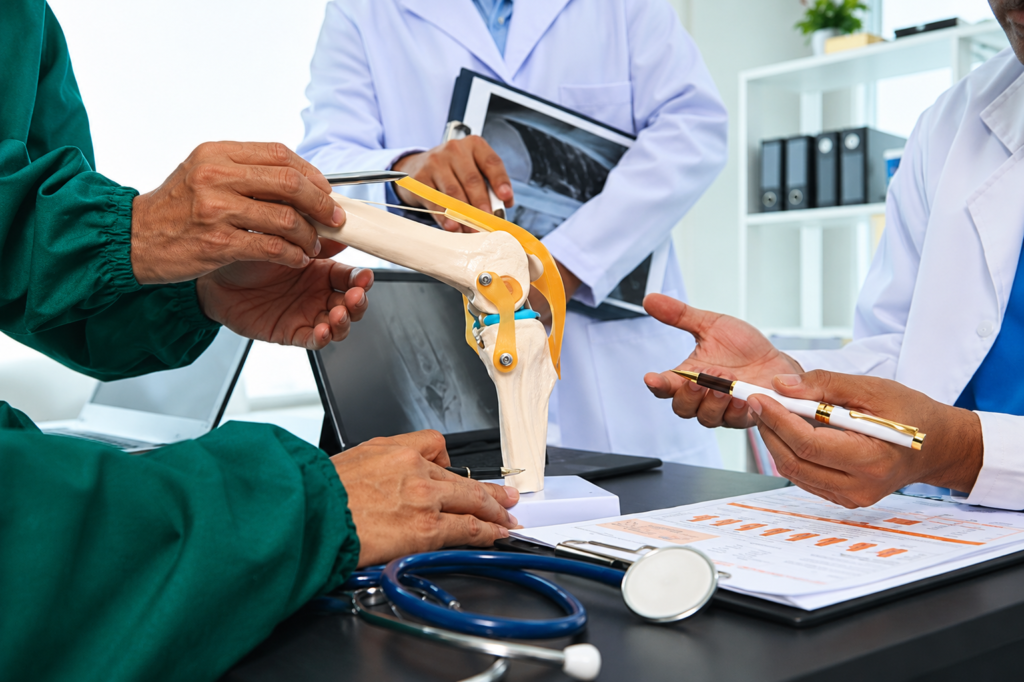


Mild to severe stiffness, frequent discorrectness, pain, soreness, do these symptoms affect your daily life? Joint pain starts from a little ache, and if not treated early, it becomes worse day by day. According to NCBI, 60% of individuals noticed pain relief from joint pain treatment. Many patients think of this as a normal pain, and suffer later when this pain worsens to cause arthritis or other major issues. Helping patients to live pain-free, Dr Kishore Kumar Panda always focuses on patient-centric treatment, so that individuals get complete relief.
What is Joint Pain?
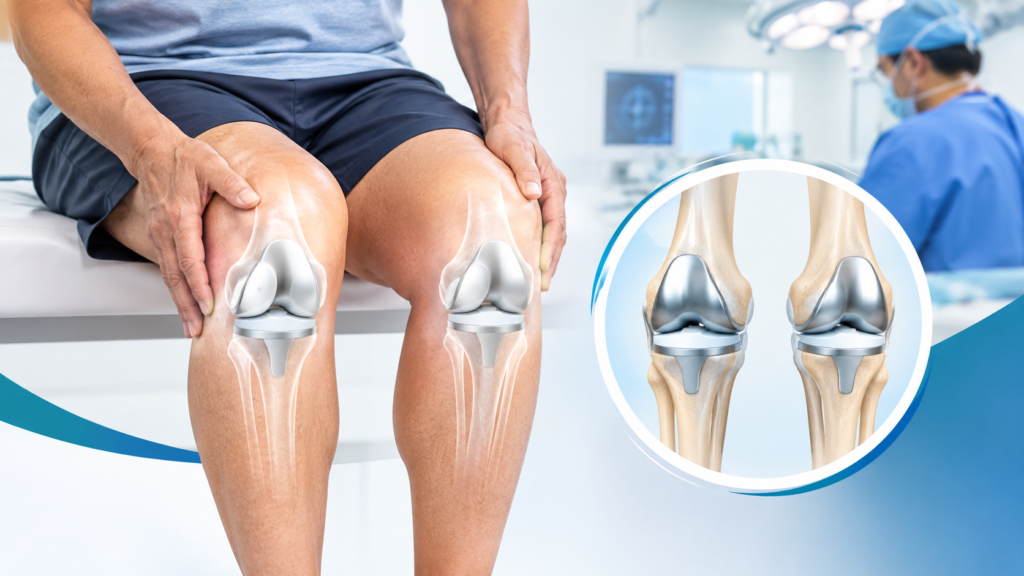
Joint pain refers to discomfort, restricted movement, or inflammation in one or more joints of the body. It can affect the knees, hips, shoulders, ankles, elbows, wrists, or fingers, making even simple daily activities difficult and may eventually require knee replacement surgery in severe cases. While occasional pain may occur due to overuse or minor injuries, persistent joint pain should never be ignored. And that’s why one should consider early diagnosis and joint pain treatment before it gets too late.
Common Causes of Joint Pain
Several underlying conditions are responsible for joint pain, such as:
- Osteoarthritis: According to Dr Kishore Kumar Panda, joint pain is more common in older individuals, as they are more prone to wear and tear with age, which gradually damages the joint cartilage and causes joint pain.
- Rheumatoid arthritis: The most common cause is autoimmune conditions, where the immune system attacks healthy joints.
- Sports injuries: Ligament tears, meniscus injuries, or fractures can lead to long-term joint discomfort.
- Overuse of Joints: Repetitive movements or physically demanding work may strain the joints.
- Obesity: Excess body weight places additional pressure on weight-bearing joints, especially the knees and hips. Even during joint pain treatment, doctors also suggest that individuals manage their weight, as it reduces too much pressure on the joints.
- Gout: A buildup of uric acid crystals causes sudden episodes of severe joint pain.
- Infections: From bacterial to viral infections, and Lyme disease are also responsible for joint pain and inflammation.
Symptoms You Should Not Ignore
Joint pain is often accompanied by other symptoms that indicate the need for medical attention, such as:
- Persistent pain lasting for several days or weeks
- Swelling around the affected joint
- Muscle tightness
- Difficulty walking, climbing stairs, or lifting objects
- Redness or warmth around the joint
- Clicking or grinding sensation during movement
- Reduced flexibility and limited range of motion
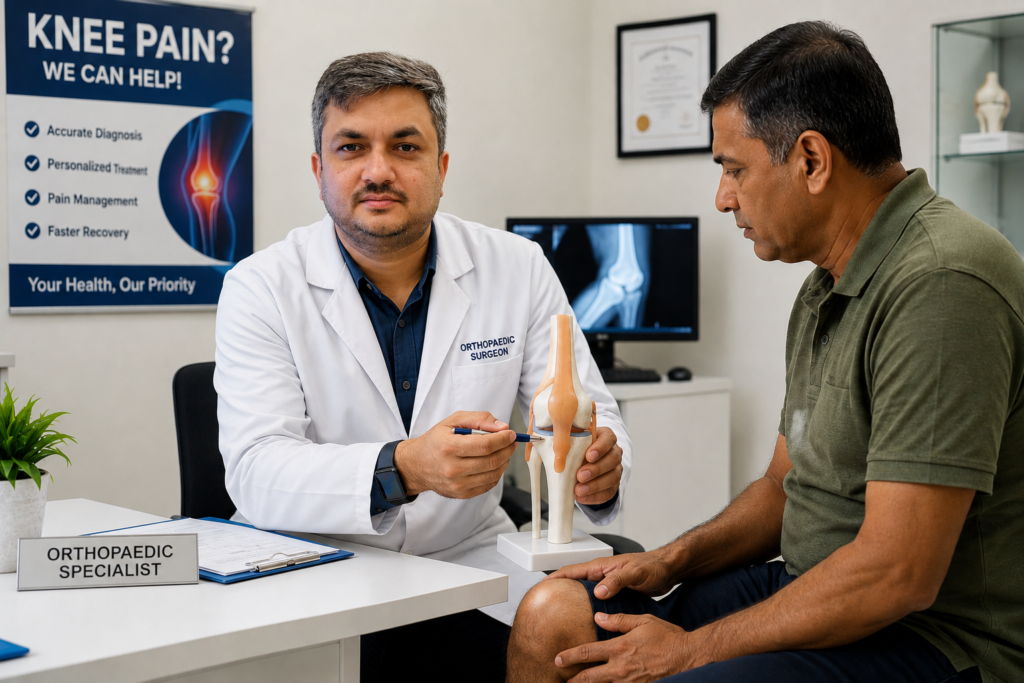
If you experience any of these symptoms, consulting an orthopaedic specialist can help prevent permanent joint damage.
Joint Pain Treatment Options
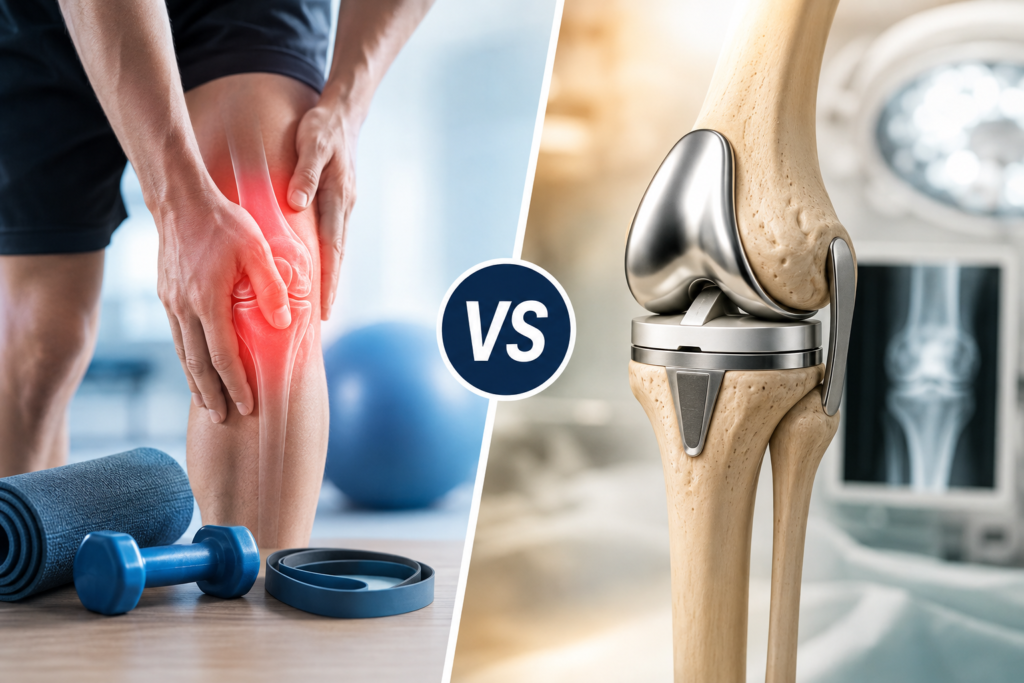
The best joint pain treatment depends on the underlying cause, severity of symptoms, age, and overall health of the patient. A personalised treatment plan ensures better recovery and long-term relief.
1. Medications
Pain relievers and anti-inflammatory medicines are often prescribed to reduce pain and swelling. In some cases, supplements or disease-modifying medications may also be recommended depending on the diagnosis. In some diseases, such as gout, doctors prescribe uric acid-lowering medicines, which are found to be effective in reducing uric acid accumulation and relieving joint pain, according to the National Library of Medicine.
2. Physiotherapy
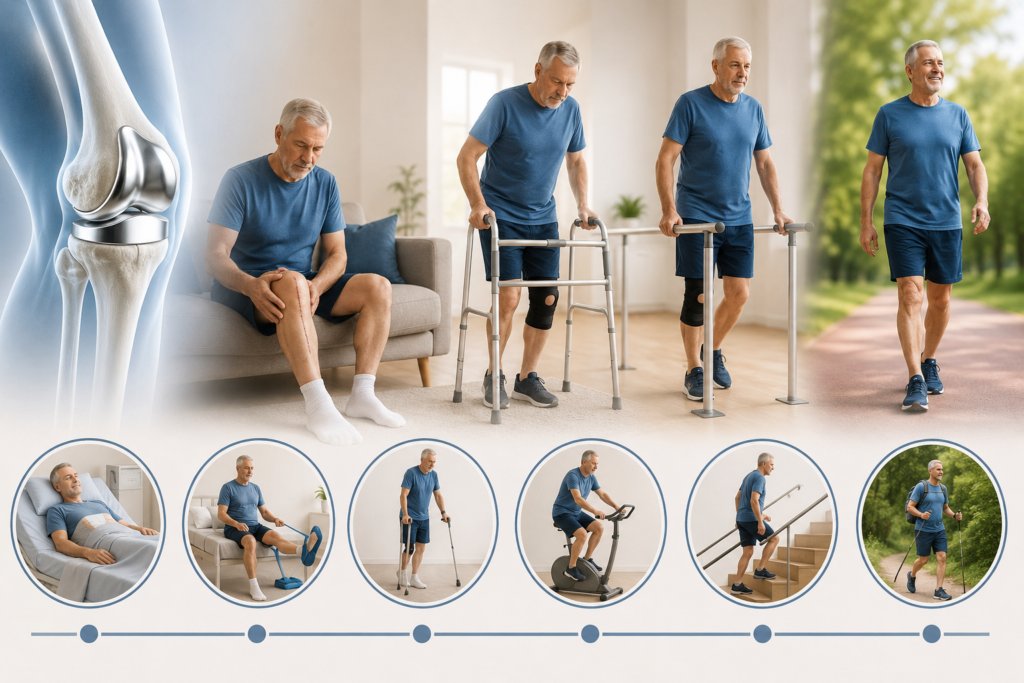
Targeted exercises strengthen the muscles surrounding the joints, improve flexibility, and reduce stiffness. Physiotherapy also helps patients regain mobility after injuries or surgery.
3. Lifestyle Modifications
Simple lifestyle changes can significantly improve joint health, including:
- Maintaining a healthy body weight
- Engaging in low-impact exercises like walking or swimming
- Following an anti-inflammatory diet
- Avoiding prolonged sitting or repetitive strain
4. Injection Therapy
For patients with persistent pain, injections such as corticosteroids or lubricating injections may provide temporary relief by reducing inflammation and improving joint function.
5. Minimally Invasive Procedures
When conservative treatments fail, minimally invasive procedures like arthroscopy may be recommended to repair damaged tissues with smaller incisions and faster recovery.
6. Joint Replacement Surgery
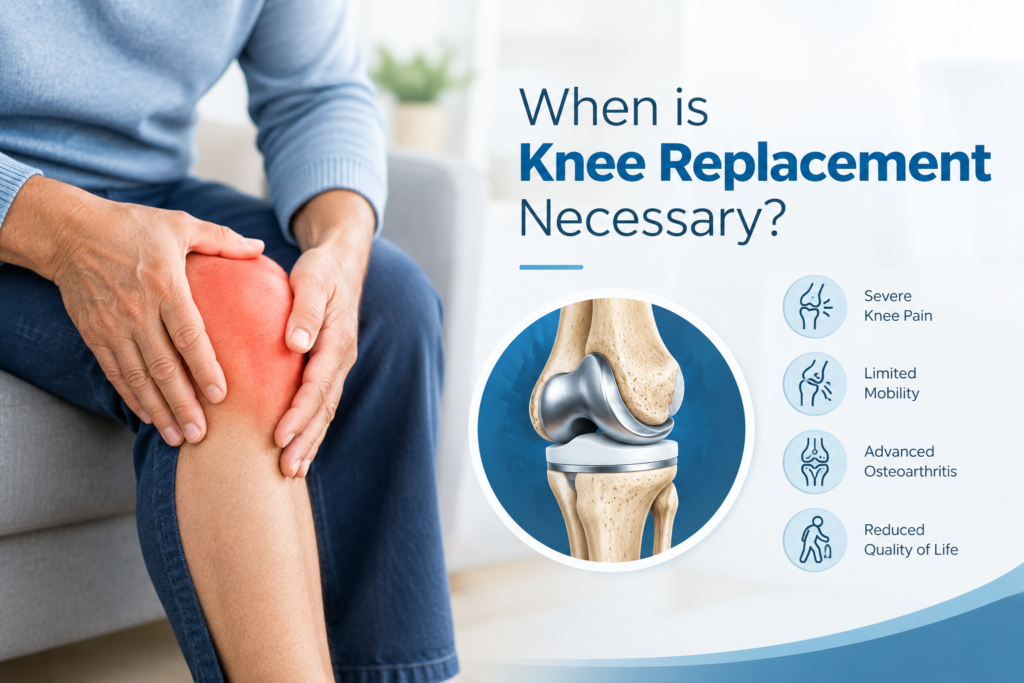
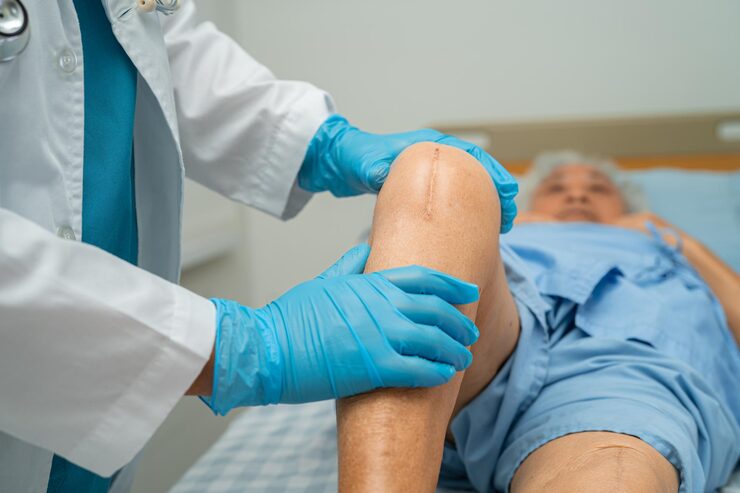
In cases of advanced arthritis or severe joint damage, joint replacement surgery becomes the most effective solution. Modern surgical techniques allow patients to regain mobility with less pain and quicker rehabilitation. Dr Kishore Kumar Panda specialises in advanced hip and knee replacement procedures using evidence-based techniques to help patients return to an active lifestyle.
Can Joint Pain Be Prevented?
Although not every case can be prevented, healthy habits can lower the risk of developing chronic joint problems, such as:
- Exercise regularly to keep joints flexible.
- Maintain an ideal body weight.
- Eat calcium and vitamin D-rich foods.
- Use proper posture while sitting or lifting heavy objects.
- Wear protective gear during sports activities.
- Treat minor injuries immediately before they worsen.
When Should You See an Orthopaedic Specialist?
Many people ignore joint pain until it becomes unbearable. However, delaying treatment can lead to irreversible joint damage. Seek medical attention if:
- Pain persists for more than a week.
- Swelling keeps increasing.
- Experiencing pain when lifting any weight
- The joint appears deformed.
- Pain interferes with your daily routine or sleep.
- Early diagnosis allows doctors to identify the root cause and recommend the most appropriate treatment before complications arise.
Conclusion
Joint pain should never be considered a normal part of ageing. Whether caused by arthritis, injury, or another medical condition, timely diagnosis and appropriate joint pain treatment can improve mobility, reduce discomfort, and enhance your overall quality of life. If you have been living with persistent joint pain, consult Dr Kishore Kumar Panda for a comprehensive evaluation and a personalised treatment plan designed to help you move comfortably and confidently again.